Roller Baller
 Tap Road
 Wave God 2.2 Challenge
 Run 3
 Shape Rush
 Geometry Dash Scratch
 Dinosaur Game 3d
 Geometry Dash Lite Old Version
 Geometry Dash 3D
 Subway Surfers
 Space Waves
 Geometry Dash Subzero
 Geometry Dash Bloodbath
 Geometry Dash Spam
 Geometry Dash Grief
 Geometry Dash Wave
 Geometry Dash World
 Geometry Dash Wave Challenge
 Geometry Arrow
 Geometry Dash Sonic Wave
 Geometry Vibes
 Geometry Dash Breeze
 Geometry Dash Nine Circles
 Geometry Dash Tidal Wave
 Geometry Dash Press Start
 Geometry Dash Meltdown
 Geometry Dash Demons
 Geometry Dash Retray
 Geometry Dash Extrapolation
 Geometry Dash Suponho
 Geometry Dash Polargeist
 Geometry Dash Onward
 Geometry Dash Wave 3d
 Geometry Dash Spam 3D
 Another Drink Dash
 Slope 3
 Geometry Dash Slow
 Geometry Dash Deadlocked
 Geometry Dash Daily Level Dream World
 Geometry Vibes 3d
 Geometry Dash Switch
 Geometry Dash Hairless Adventure
 On On Dash
 No Broke Dash
 Neon Challenge Legends
 Gaminia
 Geometry Vibes Monster
 Geometry Arrow 3D
 Geometry Dash Subzero 3D
 Infrunami
 Geometry Dash Meltdown 3d
 Geometry Dash Hyper Wave
 Geometry Dash Breeze 3D
 Victory Lap Dash
 Two Tunnel 3d
 I Just Might Dash
 Geometry Ball: Challenge
 Wave Race
Step Into the World of Roller Baller
Roller Baller is a 3D platformer that takes players on a journey to guide a ball across challenging courses suspended high in the air. Instead of rolling along flat ground, the ball must travel across floating platforms, cross narrow bridges, and make its way toward the finish without falling off the track. The three-dimensional environment creates a series of challenges that test players' observation, navigation, and movement control skills.
The game's appeal comes from its combination of simple controls and increasingly complex platform layouts. Every movement can affect the outcome of a level, especially when the ball approaches an edge or needs to cross a wide gap. With few distractions, Roller Baller puts individual skills at the center of the experience, encouraging players to get familiar with the environment and find the right approach for each situation.
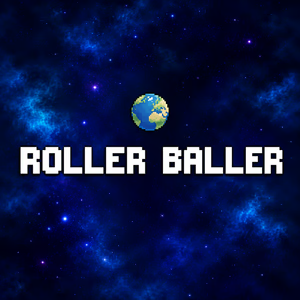
Figure 1. Every platform brings a new test in Roller Baller
Control the Ball with Precision
Ball control is one of the most important aspects of Roller Baller, as players must adjust their rolling direction to navigate different sections of the course. The game uses familiar keyboard controls, making it easy for newcomers to get started within minutes. Here are the controls:
- W or Up Arrow: Move forward.
- S or Down Arrow: Move backward.
- A or Left Arrow: Move left.
- D or Right Arrow: Move right.
- Space: Jump over gaps and obstacles.
Rolling speed and momentum have a noticeable impact on how the ball responds to each movement. As a result, accelerating or changing direction without proper control can cause the ball to slide off a safe platform.
Jump Across Dangerous Gaps in Roller Baller
Gaps between platforms are among the notable challenges in Roller Baller, requiring players to combine directional control with precise jump timing. Not every section of the course connects seamlessly, so the ball needs enough momentum and must leave the platform at the right position to reach the next landing area.
To get across these sections, players should check the distance between the takeoff point and landing area before making a move. Maintaining a steady direction during a jump is equally important, as even a slight deviation can cause the ball to hit the edge of a platform or fall into the space below. After landing, players should quickly adjust the ball's direction to prepare for the next obstacle rather than carrying the same momentum from the previous section.
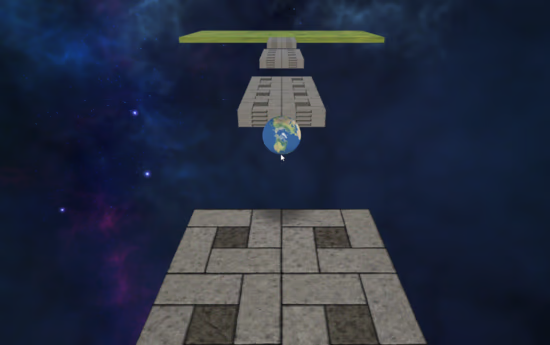
Figure 2. Take control of the ball in Roller Baller
Discover Different Challenges Along the Way
Each area in Roller Baller features its own platform layout, creating situations that require players to adapt their strategies. The combination of narrow paths, separated platforms, and obstacles makes reaching the finish more complicated than simply rolling the ball in a straight line.
Narrow Bridges and Floating Paths
Narrow bridges and floating paths test players' ability to maintain precise direction, as limited space makes it harder to recover when the ball starts drifting off course. On these sections, maintaining a moderate speed and avoiding constant directional changes can reduce the risk of falling off the platforms.
Meanwhile, separated platforms create transition points that require careful planning. Players must identify the right approach and prepare to jump or change direction as soon as they complete the current section.
Slopes and Uneven Surfaces
Slopes and uneven surfaces change how the ball moves, making it harder to maintain a consistent speed compared to rolling across regular platforms. When traveling downhill, the ball may gain momentum and require careful control before reaching an edge. Sections with elevation changes also require players to adjust their direction to avoid obstacles or losing control.
Some special surfaces can affect rolling speed as well, such as rugs that slow the ball down. This difference can influence how much momentum players have when preparing to jump across a gap. Therefore, paying attention to each surface is important rather than using the same movement strategy throughout the entire course.
Moving Platforms and Unexpected Obstacles
Moving platforms add a timing element to ball control because their positions and landing opportunities can change while players prepare to move. Instead of jumping as soon as a platform appears, watching its movement and waiting for the right moment can make crossing these sections more manageable.
In addition, obstacles along the course can reduce available space or force the ball to change direction. Players need to assess each situation before approaching, choose a suitable route, and avoid inaccurate movements when several obstacles surround the ball.
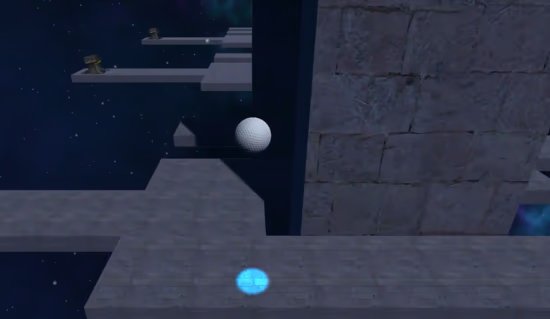
Figure 3. Guide the ball safely across challenging floating paths
Push Your Skills Through 40 Levels in Roller Baller
Roller Baller features 40 levels, offering a progression filled with different platform layouts and obstacle arrangements. Each level has a specific objective: guide the ball across the course and reach the finish while avoiding mistakes that could force players to start the challenge again.
The early stages give players a chance to learn the controls, maintain their direction, and practice basic jumping techniques. As they progress, navigating smaller platforms, wider gaps, and sections with frequent elevation changes requires better coordination between speed and directional control. These variations keep the experience engaging while encouraging players to learn from failed attempts and find more effective ways to complete each challenge.
Explore the 3D Design of Roller Baller
Roller Baller features a 3D visual style built around geometric shapes arranged into floating platform systems, creating a sense of depth and multiple movement directions. Rather than filling the environment with excessive details, the game highlights the ball, platforms, and gaps that players need to cross, making important elements easier to recognize during gameplay.
The three-dimensional perspective also plays an important role in showing the distance and elevation between platforms. As players look ahead, they need to estimate the position of the next platform while distinguishing accessible areas from dangerous gaps. The ball's rolling and jumping animations, combined with changes in perspective, create a visual experience where reading the terrain becomes an essential part of the gameplay.
Why Is Roller Baller Worth Playing?
Roller Baller is worth trying for anyone who enjoys 3D platformers and challenges that demand precise control. The game does not rely on complicated skill systems or numerous mechanics to memorize. Instead, it takes basic movements and develops them into increasingly difficult situations. From keeping the ball on narrow bridges to timing jumps across gaps, every challenge encourages players to improve their observation and coordination skills.
If you enjoy controlling characters and avoiding obstacles, you can also check out Geometry Dash Lite, a rhythm-based platformer that requires precise timing to overcome a series of traps and hazards. Although the two games have different approaches to gameplay, both emphasize reflexes and accuracy, offering enjoyable challenges for players who want to test their abilities.
With accessible controls, an intuitive 3D environment, and progressively challenging levels, Roller Baller offers an entertaining experience for short gaming sessions. Visit geometrydashlite3d.com to start guiding the ball, explore floating courses, and take on the challenges waiting ahead.