Tap Road
 Wave God 2.2 Challenge
 Run 3
 Shape Rush
 Geometry Dash Scratch
 Dinosaur Game 3d
 Wave Race
 Geometry Dash Lite Old Version
 Geometry Dash 3D
 Subway Surfers
 Space Waves
 Geometry Dash Subzero
 Geometry Dash Bloodbath
 Geometry Dash Spam
 Geometry Dash Grief
 Geometry Dash Wave
 Geometry Dash World
 Geometry Dash Wave Challenge
 Geometry Arrow
 Geometry Dash Sonic Wave
 Geometry Vibes
 Geometry Dash Breeze
 Geometry Dash Nine Circles
 Geometry Dash Tidal Wave
 Geometry Dash Press Start
 Geometry Dash Meltdown
 Geometry Dash Demons
 Geometry Dash Retray
 Geometry Dash Extrapolation
 Geometry Dash Suponho
 Geometry Dash Polargeist
 Geometry Dash Onward
 Geometry Dash Wave 3d
 Another Drink Dash
 Slope 3
 Geometry Dash Spam 3D
 Geometry Dash Slow
 Geometry Dash Daily Level Dream World
 Geometry Dash Deadlocked
 Geometry Vibes 3d
 Geometry Dash Switch
 Geometry Dash Hairless Adventure
 No Broke Dash
 On On Dash
 Gaminia
 Neon Challenge Legends
 Geometry Arrow 3D
 Geometry Vibes Monster
 Geometry Dash Subzero 3D
 Infrunami
 Geometry Dash Meltdown 3d
 Geometry Dash Breeze 3D
 Geometry Dash Hyper Wave
 Victory Lap Dash
 Two Tunnel 3d
 I Just Might Dash
 Geometry Ball: Challenge
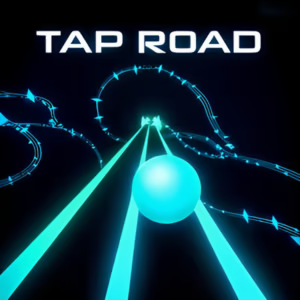
Tap Road - How Far Can You Go on This Endless Neon Track?
Tap Road brings a simple yet engaging arcade experience to players who enjoy testing their reflexes and making quick decisions. Set on a glowing neon track, the game follows a rolling ball that moves forward automatically while players take control of its direction to avoid obstacles.
Meet the Rules Behind Tap Road
Tap Road is an endless arcade runner built around a rolling ball and a track divided into two lanes. Rather than controlling a vehicle or guiding a character through complex movements, players focus on keeping the ball away from dangerous objects while allowing it to travel as far as possible. The straightforward objective makes the game accessible from the beginning, but surviving for longer distances requires careful observation and well-timed actions.
The ball moves forward automatically, so there is no need to accelerate, brake, or manage complicated movement combinations. Players only need to switch between the available lanes whenever an obstacle blocks the current path. Each successful maneuver keeps the run going, while a collision brings the attempt to an end. This structure creates a continuous cycle of movement, observation, and reaction that encourages players to improve their performance with every retry.
Two Lanes, Countless Decisions
The track in Tap Road features two parallel lanes, giving players a limited but important set of movement choices. Obstacles can appear along either side, which means staying in one lane for too long is not always a safe strategy. Instead, players must pay attention to the upcoming layout and determine which direction offers enough room to continue moving.
Switching lanes at the right moment is particularly important when obstacles occupy consecutive sections of the track. A quick decision can help the ball avoid an immediate collision, while an unnecessary switch may place it directly in front of another hazard. As the run progresses, reading the road ahead becomes just as important as reacting to objects that are already close.
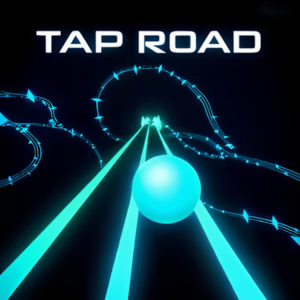
Figure 1. Rolling ball on a neon track
The Obstacles That Stand Between You and a New Record
Obstacles are the main source of difficulty in Tap Road, transforming an otherwise straightforward rolling experience into a constant test of timing. The track contains different forms of hazards, including sharp objects and solid blocks that restrict movement and force players to reconsider their current lane. Their placement creates situations where a clear path can quickly become dangerous, leaving little room for hesitation.
Sharp obstacles are particularly threatening because they can end a run as soon as the ball makes contact with them. Solid blocks also require careful navigation, especially when they occupy a large section of the available path. Players must identify these hazards early and move toward the opposite lane before the remaining space becomes too narrow.
The challenge becomes more noticeable when obstacles appear in quick succession, since avoiding one hazard does not necessarily guarantee a safe route through the next section. Players may need to switch lanes several times within a short period, making precise timing essential throughout the journey. As the ball continues to move faster, the available reaction window becomes shorter, turning even familiar obstacle patterns into demanding tests of concentration.
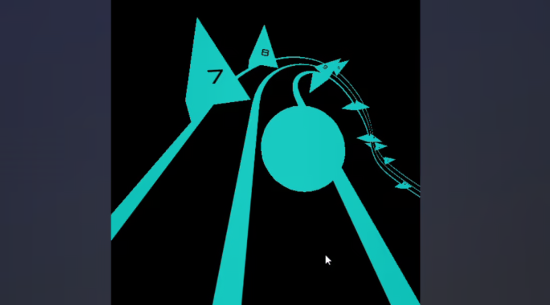
Figure 2. Rolling ball on a neon track
Gems or Survival: Choose Your Priorities
Besides avoiding hazards, players can collect Gems scattered along the track, adding another objective to the endless running experience. These glowing collectibles encourage players to explore different paths and pay attention to more than just the obstacles directly ahead. Depending on the available customization system, collected Gems can also contribute toward unlocking additional visual options, giving players another reason to gather them during their runs.
However, collecting every Gem is not always the smartest decision. Some collectibles may appear along a lane that contains nearby obstacles, requiring players to consider whether the potential reward is worth the added risk. Moving toward a Gem without checking the surrounding track can quickly turn a promising run into an unsuccessful attempt.
A balanced approach is therefore more effective than chasing every available item. Players should prioritize a clear route whenever the track becomes crowded, while collecting Gems when the surrounding conditions allow a safe lane change. This decision-making process adds another layer to the gameplay, as success depends on balancing short-term rewards with the larger goal of achieving a higher score.
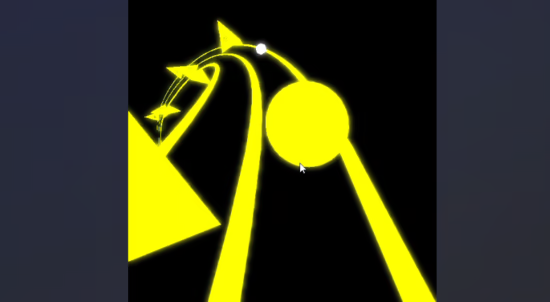
Figure 3. Fast rolling ball on a neon road
One-Touch Gameplay with a Competitive Edge
Tap Road keeps its control system minimal, allowing players to focus on the track instead of memorizing complicated commands. Since the ball handles forward movement automatically, switching lanes is the only essential action required to navigate the course. This design makes the game suitable for casual players while leaving enough room for experienced players to refine their timing.
- PC: Left Mouse Button
- Mobile: Tap the screen
The accessible controls make it easy to begin playing without a lengthy tutorial, although mastering the game requires considerably more practice. New players can initially concentrate on recognizing obstacles and understanding when to change lanes, while those aiming for higher scores must develop better anticipation and maintain consistent reactions as the ball accelerates.
Despite relying on a single primary input, Tap Road creates a competitive experience through its increasing difficulty and high-score objective. Every attempt offers a chance to travel farther, collect more Gems, and improve on a previous result. This combination of simple mechanics and demanding execution gives the game lasting appeal for players who enjoy short but challenging arcade sessions.
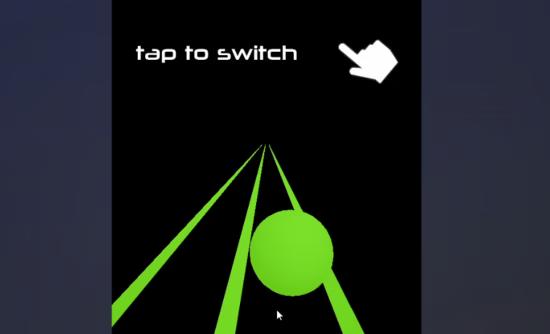
Figure 4. Rolling ball on a neon track
Practical Ways to Improve Your Performance
Reaching a higher score in Tap Road requires more than frequent tapping, since uncontrolled movements can make it difficult to respond accurately to the changing track. Developing a consistent approach helps players recognize dangerous situations earlier and make better decisions when the available space becomes limited.
- Look Ahead Before Moving: Pay attention to upcoming obstacles instead of focusing exclusively on the ball's current position, as early observation provides more time to identify a safe lane.
- Maintain a Steady Rhythm: Avoid switching lanes without a clear reason, and make each input count by considering the position of nearby hazards before acting.
- Do Not Chase Every Gem: Collectibles can improve progression, but staying on a safe path should remain the priority whenever a reward appears close to a dangerous obstacle.
- Learn from Previous Attempts: Review the situations that caused collisions and use those experiences to recognize similar patterns during future runs.
- Practice Your Reflexes: Regular play helps improve familiarity with the movement speed and makes it easier to respond when obstacles begin appearing more frequently.
Final Thoughts
Tap Road combines automatic ball movement, two-lane navigation, and increasingly difficult obstacles to create an accessible arcade challenge with plenty of replay value. Its neon visuals and collectible Gems add variety to the experience, while the high-score objective encourages players to keep improving their performance. Those who enjoy this style of reflex-based gameplay can also explore Space Waves, Two Tunnel 3d and Run 3 for more obstacle-dodging challenges and fast-paced arcade action.